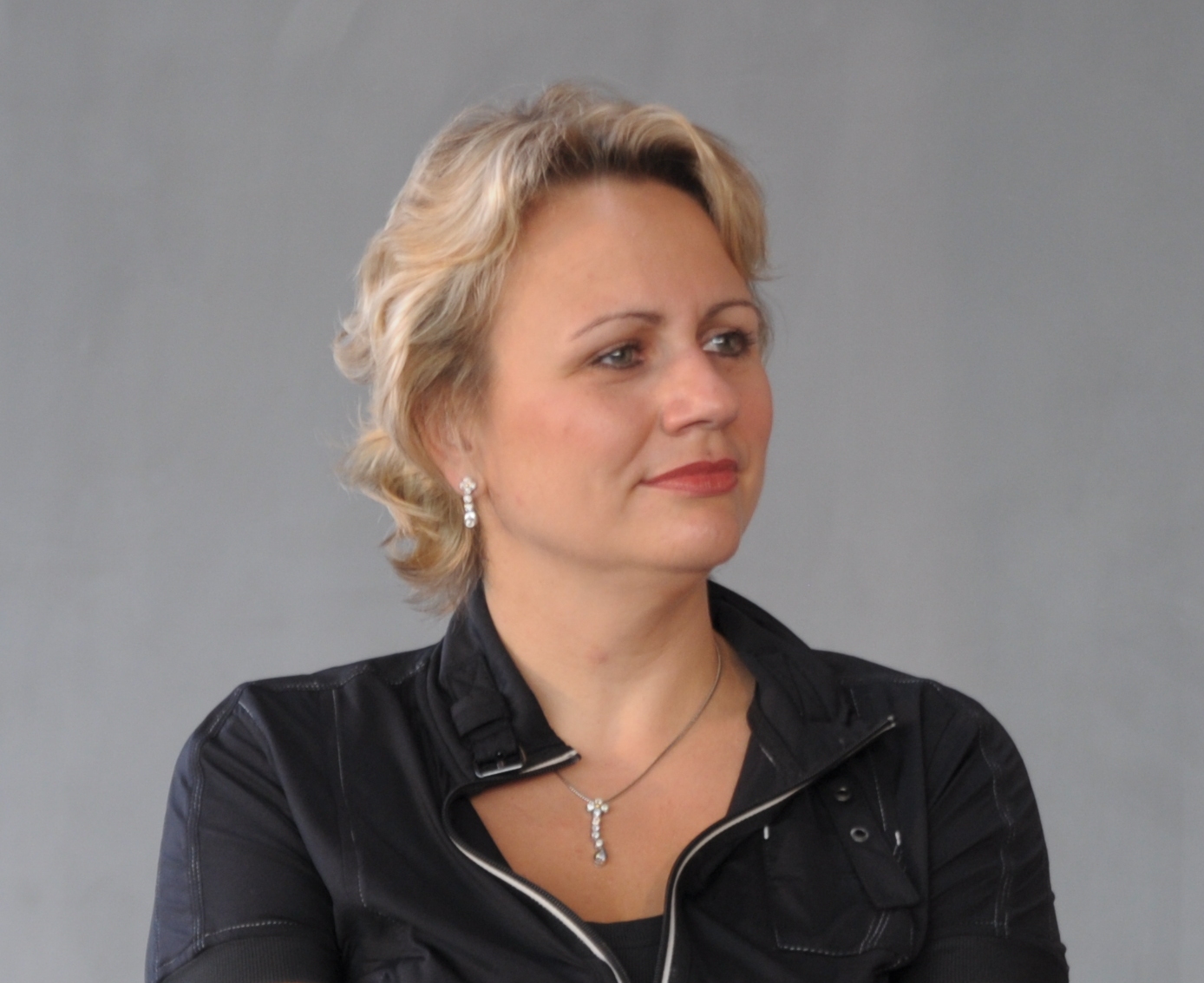
Nina Stemme soprano (Brünnhilde)
Andreas Schager tenor (Siegfried)
Mikhail Petrenko bass (Hagen)
Gerd Grochowski baritone (Gunther)
Anna Samuil soprano (Guntrune/ Third Norn)
Johannes Martin Kränzle baritone (Alberich)
Waltraud Meier mezzo-soprano (Waltraute/ Second Norn)
Margarita Nekrasova mezzo-soprano (First Norn)
Aga Mikolaj soprano (Woglinde)
Maria Gortsevskaya mezzo-soprano (Wellgunde)
Anna Lapkovskaja mezzo-soprano (Flosshilde)
Royal Opera Chorus
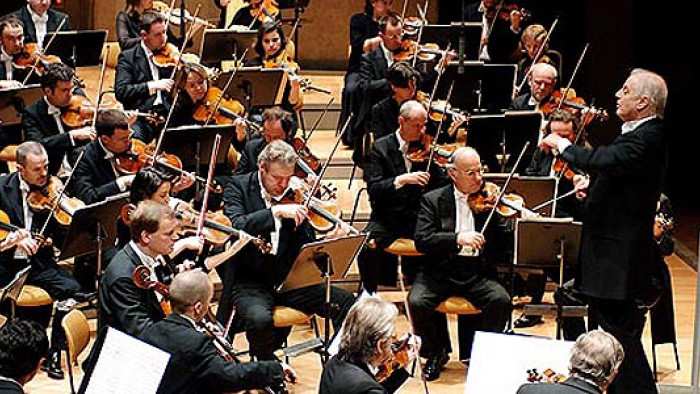
Staatskapelle Berlin
Daniel Barenboim conductor
Royal Albert Hall, London, 28 July 2013
*******************
To start at the end, this quite magnificent presentation of Wagner’s Der Ring des Nibelungen culminated in a spine-tingling Immolation Scene from Nina Stemme’s Brunnhilde. Positioned at the Albert Hall organ loft high above the glorious Staatskapelle Berlin, she approached an ideal for this role. Her technique and projection was rock solid combined with her now customary warmth and insight. It was a resounding send-off: she instructs a funeral pyre be erected for the murdered Siegfried, having attained new self-awareness bids compassionate farewell to her father Wotan, and rides her horse Grane into the fire.
Barenboim then led his orchestra through the final golden pages of Wagner’s 16 hour, 4 opera journey, the Staatskapelle yet again producing thrilling levels of tonal depth and expressiveness. As the final chord died away, Barenboim’s hand was held aloft and the packed Albert Hall sat in silence for a full 15 seconds. Then thunderous acclaim.
Barenboim addressed the audience, praising it for its rapt silence throughout The Ring as well as giving a special farewell to the Staatskapelle’s concertmaster – Wolf-Dieter Batzdorf - who was retiring after 40 years.
Before then another luxury cast had joined Stemme in bringing Wagner’s flawed but great opera to life. It is fundamental to understanding and indeed tolerating the unique musical achievement that is The Ring that its libretto was in fact written backwards. Wagner first wrote the libretto of an opera to be called Siegfried’s Death. He then expanded it to describe Siegfried’s back story as two operas which ultimately became Siegfried and Gotterdammerung. But Wagner then was moved to include the story of Brunnhilde, which added The Valkyrie to the collection of operas. Then finally he wanted to include a fuller version of the story of Wotan, which added the preliminary evening of The Rheingold. While Wagner re-edited the full four opera libretto as a whole this backwards expansion explains why there are some inconsistencies and also why the audience is often being told things it already knows.
So, Twilight begins with an extended Prologue which goes over some previous happenings. Siegfried and Brunnhilde reprise their rapture from Act 3 of Siegfried and the Norns mull over the whole storyline of The Ring. Thankfully Wagner's music is little short of genius, with Siegfried and Brunnhilde's scene and Siegfried's Rhine Music musically overwhelming.
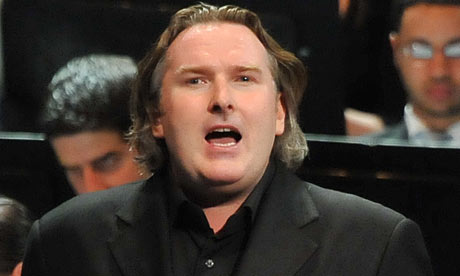
This famously awkward and contradictory conclusion to The Ring was then greatly helped by Andreas Schager’s physically plausible and dashing Siegfried, channelling Errol Flynn, and Mikhail Petrenko’s darkly attractive Hagen who brought glamour and dramatic impact to the villain’s role. Both were ably supported by Anna Samuil as Gutrune and Gerd Grochowski as the spineless Gunther.
Waltraud Meier as Waltraute created one of the evening’s big highlights with a riveting dialogue with Brunnhilde in Act 1. She drew the listener into her long narrative of the plight of the gods, and brought a huge emotional charge to her distraught departure from the rock, having failed to convince Brunnhilde to return the ring to the Rhinemaidens.
Throughout this performance of The Ring, the central revelation has been the commitment and quality of sound of the Staatskapelle Berlin. Combined with the extraordinary potency and drama of Wagner’s music, listening to them was as continuously engaging and eloquent as the score itself. Some slightly tired entries towards the end took nothing away from their conquest of the Albert Hall. No one who attended these Wagner evenings will ever forget it.
Peter O'Byrne
 |
| Barenboim and Waltraud Meir as Waltraute |
Barenboim then led his orchestra through the final golden pages of Wagner’s 16 hour, 4 opera journey, the Staatskapelle yet again producing thrilling levels of tonal depth and expressiveness. As the final chord died away, Barenboim’s hand was held aloft and the packed Albert Hall sat in silence for a full 15 seconds. Then thunderous acclaim.
Barenboim addressed the audience, praising it for its rapt silence throughout The Ring as well as giving a special farewell to the Staatskapelle’s concertmaster – Wolf-Dieter Batzdorf - who was retiring after 40 years.
Before then another luxury cast had joined Stemme in bringing Wagner’s flawed but great opera to life. It is fundamental to understanding and indeed tolerating the unique musical achievement that is The Ring that its libretto was in fact written backwards. Wagner first wrote the libretto of an opera to be called Siegfried’s Death. He then expanded it to describe Siegfried’s back story as two operas which ultimately became Siegfried and Gotterdammerung. But Wagner then was moved to include the story of Brunnhilde, which added The Valkyrie to the collection of operas. Then finally he wanted to include a fuller version of the story of Wotan, which added the preliminary evening of The Rheingold. While Wagner re-edited the full four opera libretto as a whole this backwards expansion explains why there are some inconsistencies and also why the audience is often being told things it already knows.
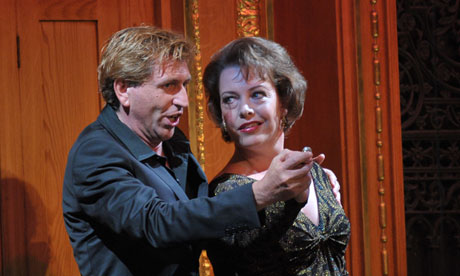 |
| Andreas Schager and Nina Stemme in the Prologue |
So, Twilight begins with an extended Prologue which goes over some previous happenings. Siegfried and Brunnhilde reprise their rapture from Act 3 of Siegfried and the Norns mull over the whole storyline of The Ring. Thankfully Wagner's music is little short of genius, with Siegfried and Brunnhilde's scene and Siegfried's Rhine Music musically overwhelming.
This famously awkward and contradictory conclusion to The Ring was then greatly helped by Andreas Schager’s physically plausible and dashing Siegfried, channelling Errol Flynn, and Mikhail Petrenko’s darkly attractive Hagen who brought glamour and dramatic impact to the villain’s role. Both were ably supported by Anna Samuil as Gutrune and Gerd Grochowski as the spineless Gunther.
Waltraud Meier as Waltraute created one of the evening’s big highlights with a riveting dialogue with Brunnhilde in Act 1. She drew the listener into her long narrative of the plight of the gods, and brought a huge emotional charge to her distraught departure from the rock, having failed to convince Brunnhilde to return the ring to the Rhinemaidens.
Throughout this performance of The Ring, the central revelation has been the commitment and quality of sound of the Staatskapelle Berlin. Combined with the extraordinary potency and drama of Wagner’s music, listening to them was as continuously engaging and eloquent as the score itself. Some slightly tired entries towards the end took nothing away from their conquest of the Albert Hall. No one who attended these Wagner evenings will ever forget it.
 |
| The Royal Albert Hall, awaiting Act III |
Peter O'Byrne